
















Sonoma Academy is a place that prides itself on thoughtfulness and the encouragement to have discourse among students and staffulty. I have noticed recently there are parts of our culture that remain notably absent from the conversations we are encouraged and willing to have. One of them is Sonoma Academy’s eating disorder culture.
At SA, pressure is not aggressive; I’ve seen pressure between students or faculty behave as polite, seamless and almost well-intentioned. This culture we have here is not obvious either; rather, it appears in the small, casual ways students behave around food. I was sitting with a group of friends a day before Homecoming when one said plainly, “I’m just not eating today.” I asked why and they said it was simply because they wanted to look as skinny as they could in their dress. This comment, as usual, was overlooked and agreed with.
I don’t think disordered eating has to be dramatic to be real. In fact, the culture lives in everyday patterns that we’ve learned not to question or notice. And at a high school full of high-achieving students who are used to pushing themselves, we’re good at acting poised and collected, even when we’re not. We are good at carrying stress as a requirement. So, of course, the struggles with food and body image get folded into the same exact pressure, becoming another thing that we as students have to manage quietly.
The cost of this comparison and competition is real. When students, as well as the school as a whole, leave this culture untamed, we leave students and faculty alike to navigate these issues alone. A message is sent that says shrinking yourself, eating less, pushing harder and ignoring your needs, is somehow normal. This makes it easy for harmful habits to blend into the background of school life, disguised as self-discipline or self-control. Throughout high school, I have been involved in sports teams, casts for musicals and even clubs that when disordered eating was brought up, each person in the room empathized with one another and acknowledged how hard it is to go through something like this. In the end though, nothing changed; we appreciated the awareness and then went back to our routines as if the recognition alone was enough.
If SA truly values understanding, which I certainly believe it does, then we have to be willing to extend truthful habit-changing conversations into places that feel uncomfortable, too. Ask why students feel the need to comment on other people’s plates in the GAC. Ask why we can’t speak about our bodies and food without glorifying a disorder. Ask why when an eating disorder is brought up it is used as a way to recognize an achievement and community rather than recognize an issue.
When interviewed, an anonymous student shared with me her viewpoint on our culture here at SA. She commented, “I’ve never heard or been involved in a conversation that talked about eating disorders as something that needed to be fixed, it was more about how popular they are among us girls and how controlling they are of all our lives. It was more that we just accepted it and moved on.”
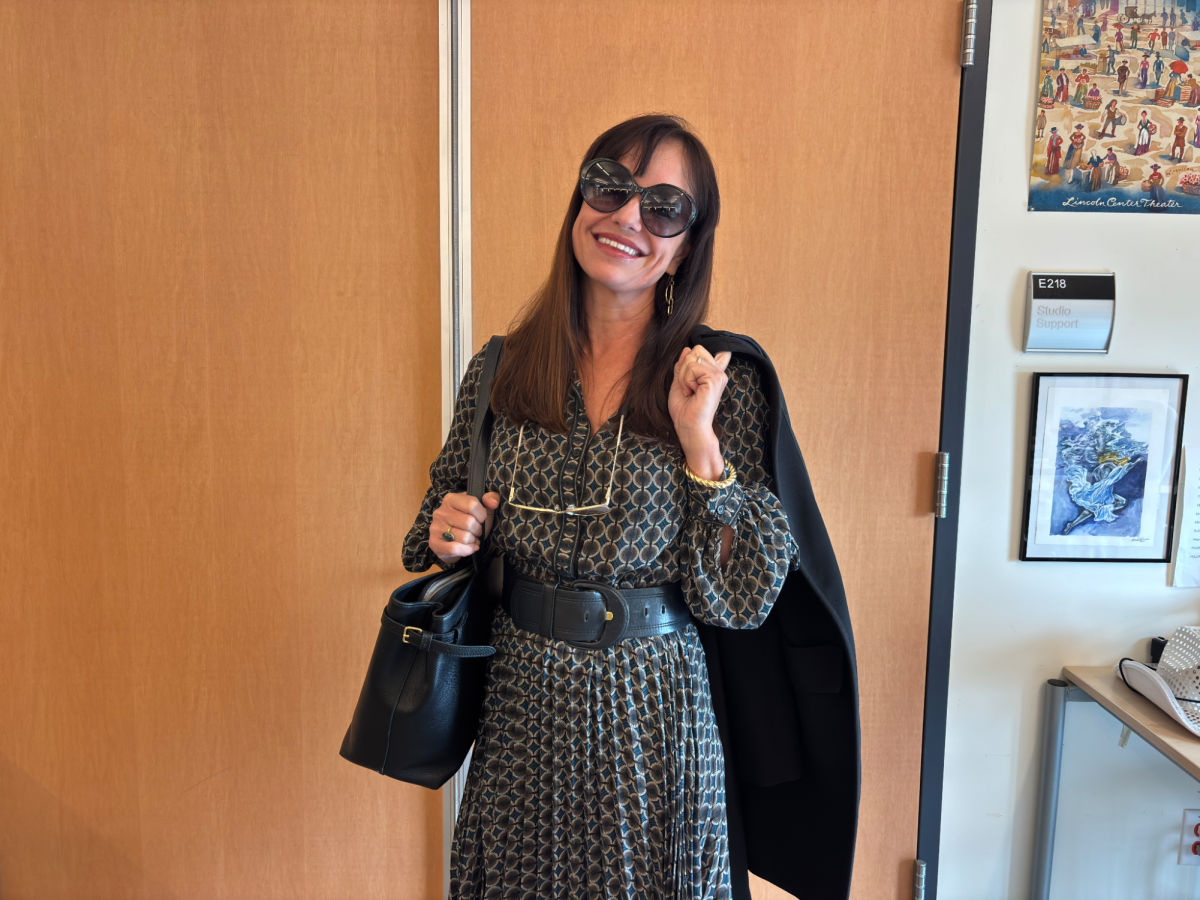
Our school counselor, Caroline Adams, expressed that the culture would be best mended if we call it out and become allies for each other. “This culture is created because we allow it to [be]. Our culture can be healed if we become allies for each other,” she said. “Supporting each other with kindness and inclusivity can make a powerful impact.”
She told me about a student in previous years who had written her senior speech on the topic of an eating disorder she had. Caroline said that after the speech, more students came to her office with curiosity and eagerness to seek help now knowing that someone else shared their same troubles. “We cannot underestimate the power of our stories,” Caroline said, “they go a long way.” I believe that with a sense of community such as this, Sonoma Academy will change for the better.
In recent events, Sonoma Academy has made an effort to promote conversations about eating disorders and body neutrality, though these efforts backfired as an effect of a rather unaware speaker. Regardless, we as students, as people, need to be more cautious about how we talk to each other on the topic of food. To make these changes means to shift the environment so that nourishment, physical and emotional, feels accessible, normalized and comfortable instead of pressured.
Mass groups of students skipping lunch is disadvantageous to the efforts of other students’ feeling comfortable to eat, too. The point is, you shouldn’t have to earn your place at this school by disappearing. Not for Homecoming. Not for a sport. Not for your “friends.” Not for anyone. And if you have to punish yourself with restrictions to feel “enough,” what you’re chasing is not worth having.
Call out the stupid remarks about wanting to be as skinny as can be. Call out the conversations about how much, or really how little, a person has eaten that day. Because nobody will become healthier or change if everyone wishes to keep control of a disorder that takes over their lives.
Sonoma Academy has always been at its best when we are willing to grow and change together, so let this be one of those moments. Let’s create a culture where taking care of yourself is respected and where no one feels that they need to be a part of a disordered culture to fit in. We all deserve to live full, not lightly: present, grounded and unapologetically here.

Ben Wrightsmn • Mar 13, 2026 at 8:13 pm
This means a lot, thank you